
Tools of the Forge!
The Heavy-Duty Gear my Dad and I Rely on to Build Rock-Solid Bone Density, Explosive Core Power, and Physiques that Shatter the Standard
Affiliate Disclosure: As an Amazon Associate, I earn from qualifying purchases. I only recommend products I personally use, trust or have tested. It costs you nothing extra, and it helps keep this site free, alive and growing!
Welcome to The Forge. These are the tools my 88-year-old dad and I actually use to build strength, balance, mobility and independence. Nothing here is theory. It is all in daily rotation.
The Bands
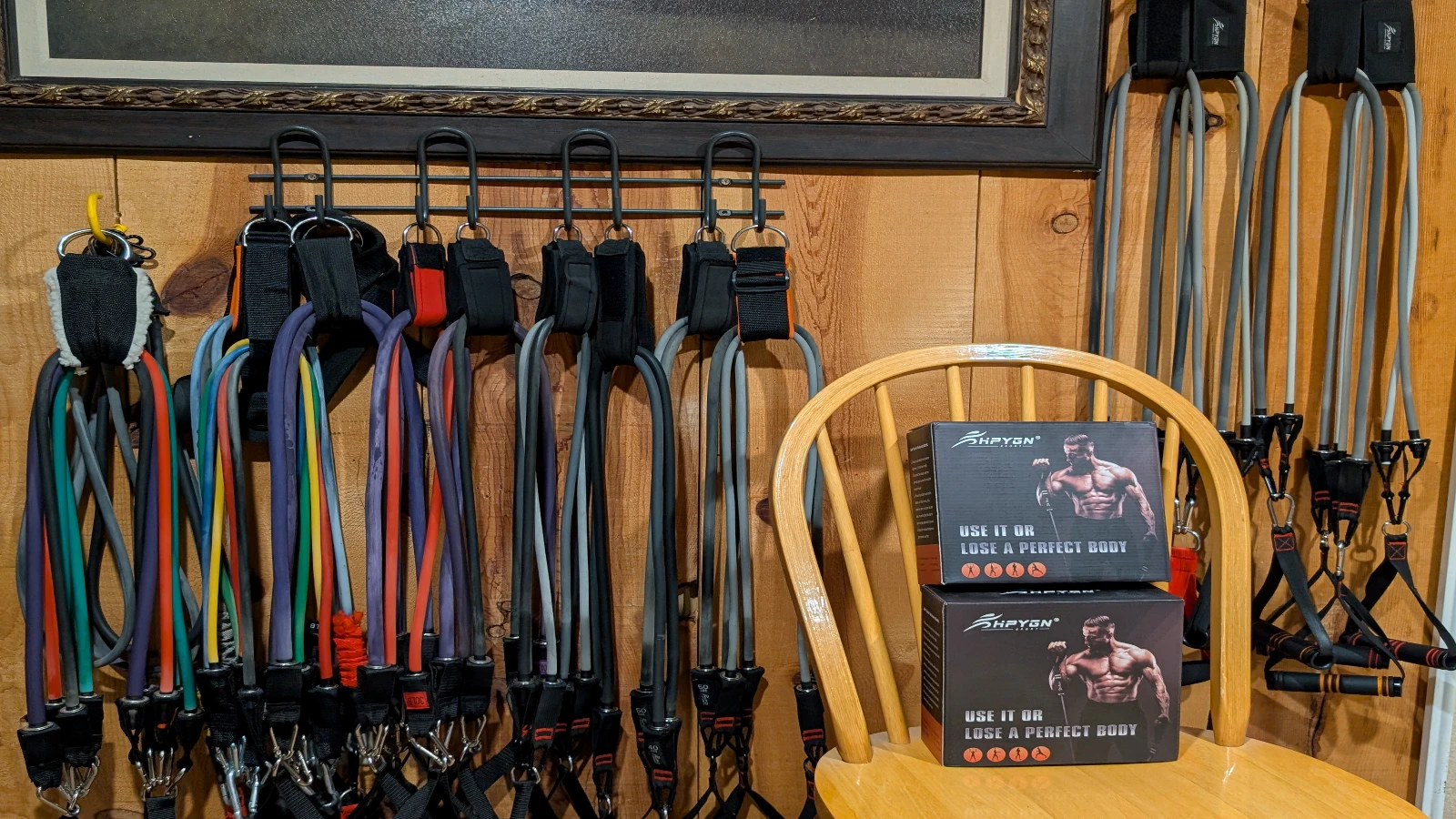
After more than 40 years of training, and more resistance bands than I can count, these are the ones I kept. I run 4 to 5 sets of HPYGN bands at 150lb so I can change resistance in seconds and keep moving instead of standing around swapping plates.
Why bands: smooth resistance through the whole movement, joint-friendly loading, full range of motion, and real value for the money.
Fourteen years of training on bands and I have not had a single injury from them. That is the part I care about most at 65.
The Rebounder
We bought this because it looked like fun — and after just over one day on it, Dad’s coordination and balance were already noticeably better. At 88, that is not a small thing. We both love it.
The honest lead is balance and movement quality. Randomized trials in older adults show mini-trampoline programs can improve one-leg balance, timed mobility, gait, strength, and fear of falling — including a 12-week study in women with osteopenia. You can still hit a real cardio zone; the soft landing just does not punish the joints the way pavement running does. We will put up a fuller video in a few weeks — Dad says he will have great moves by then. We are always seeking the truth.
Ours is the BCAN BT4 Soft Land Pro — quiet bungee rebounder with a handle bar, right around $300. High-rated for a reason. Hold the bar if you need it. Start easy.
The Bench
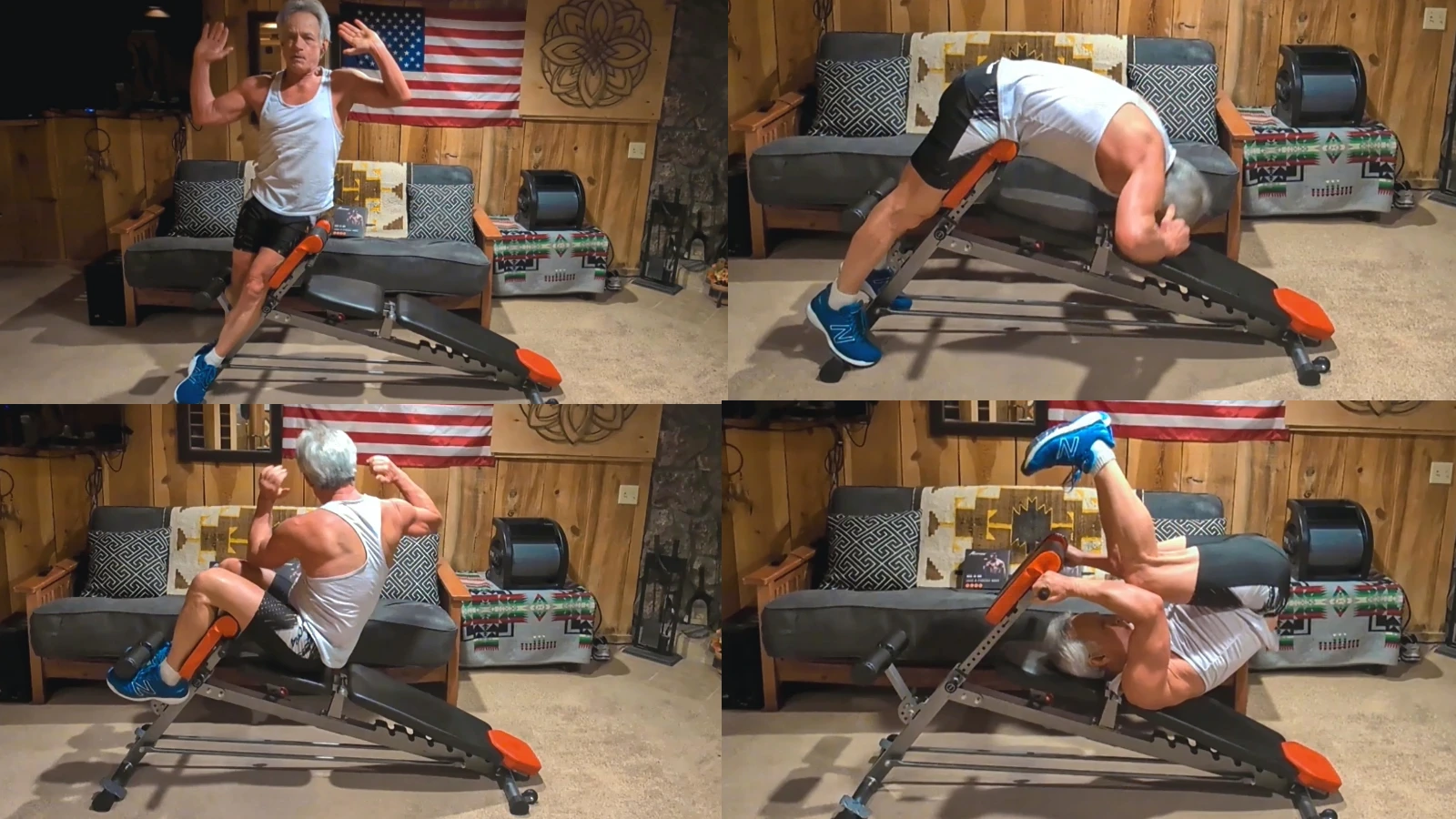
I have been on this bench for three years now. In that time I have not found a reason to look at another one, and I have gone through a lot of benches over the years trying to.
Three years of daily work later, the Finer Form Weight Bench is still the best bench I have ever used. It does not wobble, it does not creak, it does not flex under me. It just sits there and takes whatever I bring to it.
For the money, nothing else I have owned comes close on build quality. If it disappeared tomorrow I would buy the exact same one again without thinking about it.
The Heavy Bags
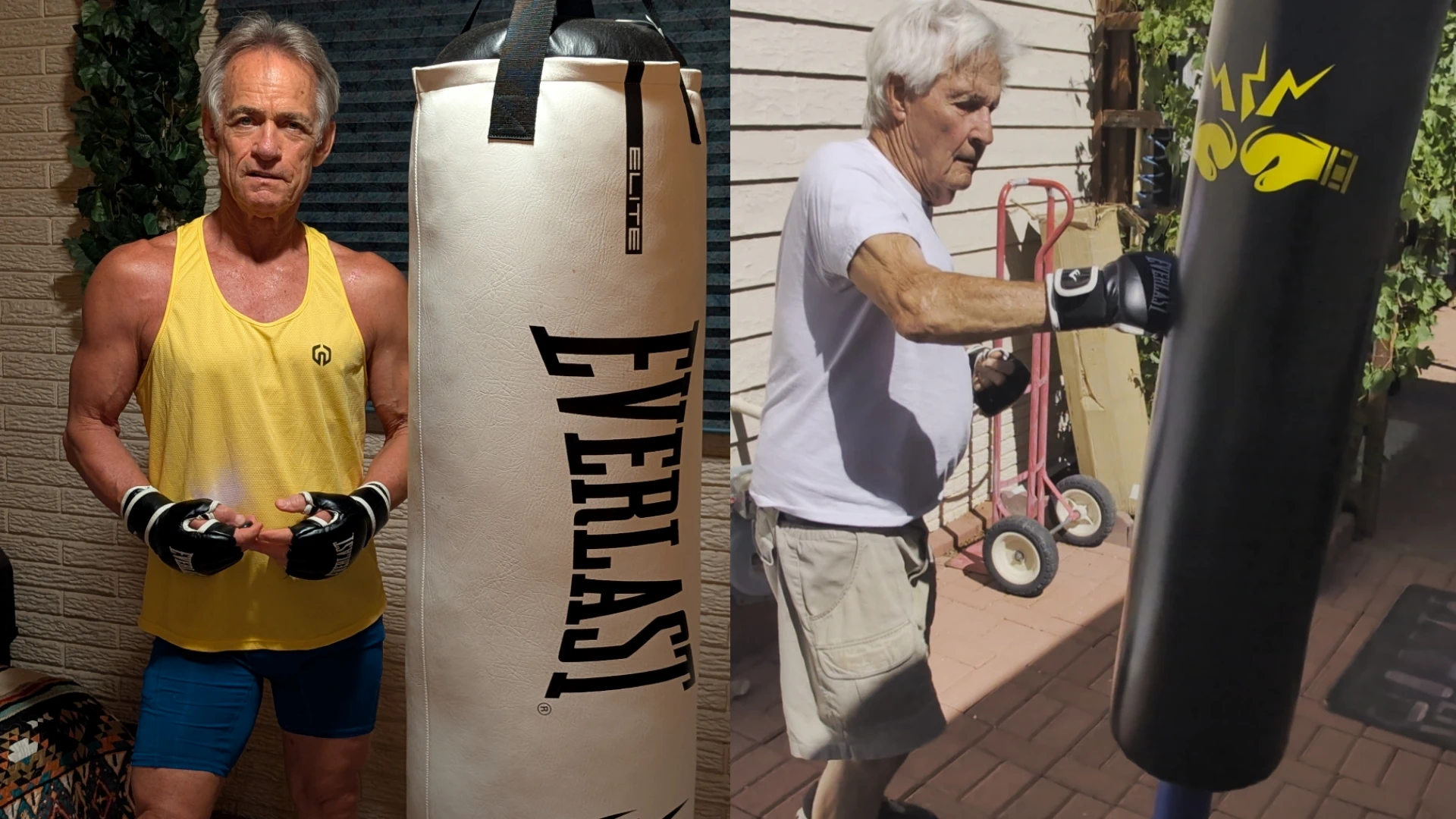
The Feikuqi Free Standing Bag is softer — a smart place to start while you build striking power. After about three months, though, my dad is almost exclusively on the Everlast Elite 80lb hanging bag.
I hit both every day. I like the different reactions. But if I were buying just one — knowing what I know now, and Dad agrees — it would be the Everlast Elite. You just have to be more careful starting out.
Both are incredible values at around $100 each. Below is my real-world review of the gloves I actually hit those bags with. After that: the TGLLM boxing machine my dad and I love.
Full benefits, dad’s story, and FOOSH — on the Benefits page.
My Heavy Bag Glove Review
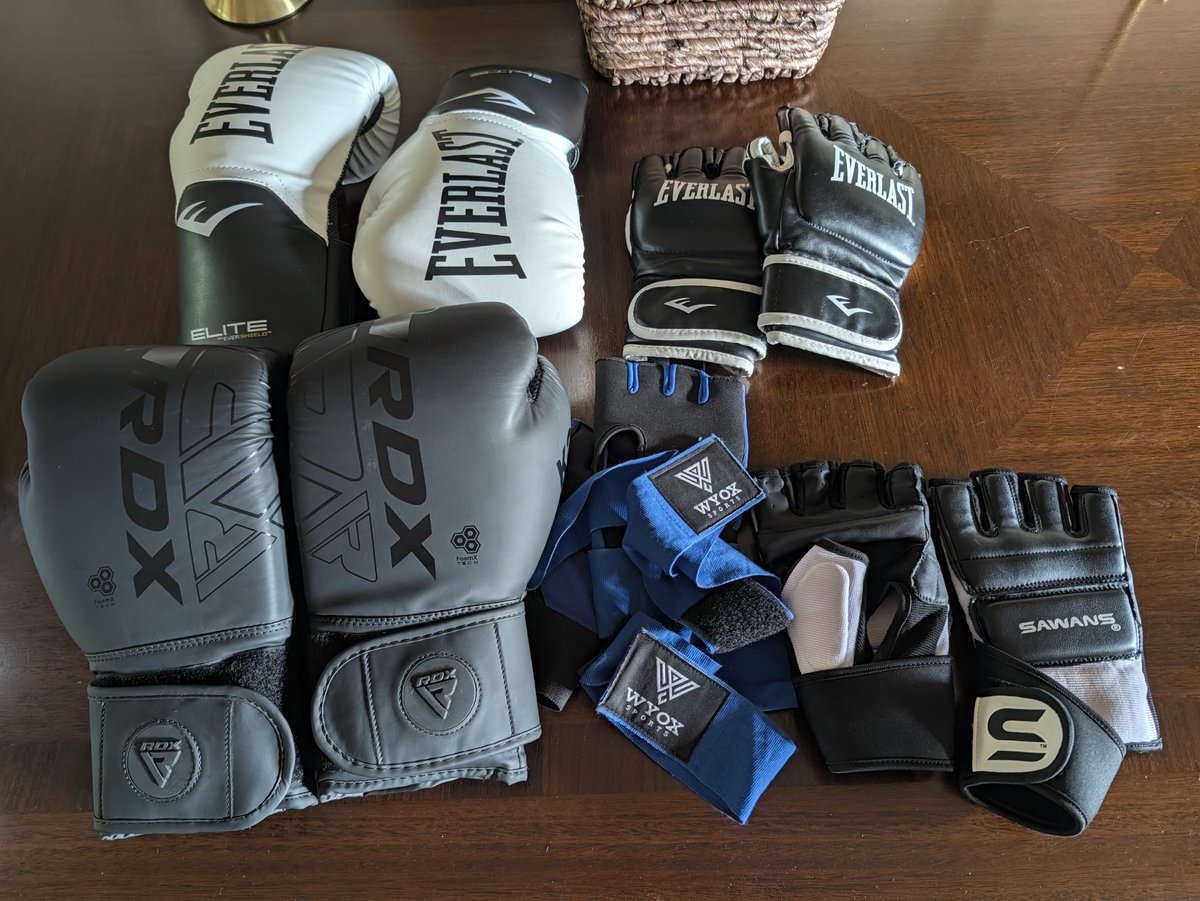
When it comes to heavy bag work, expensive does not always mean better. I put five pairs through real-world testing — from just over $10 to nearly $60 — on a softer freestanding bag and an 80-pound Everlast hanging bag.
Here is how they stack up.
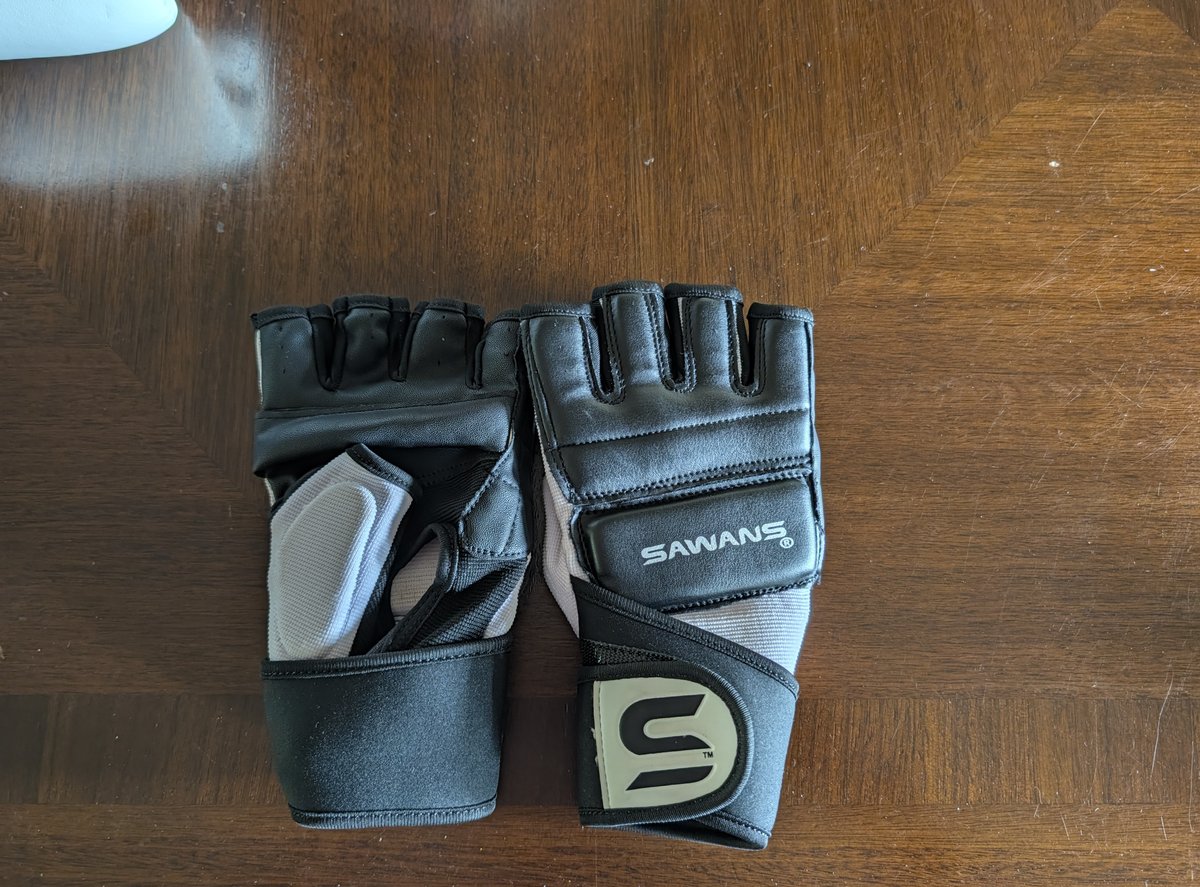
Top Pick: Sawan Fight Gloves (~$10)
My clear favorite. At about ten bucks, they deliver solid impact padding and noticeably better finger protection than the $60 Everlast MMA gloves.
Whether I am on the freestanding bag or the 80 lb heavy bag, these are the ones I reach for every session.
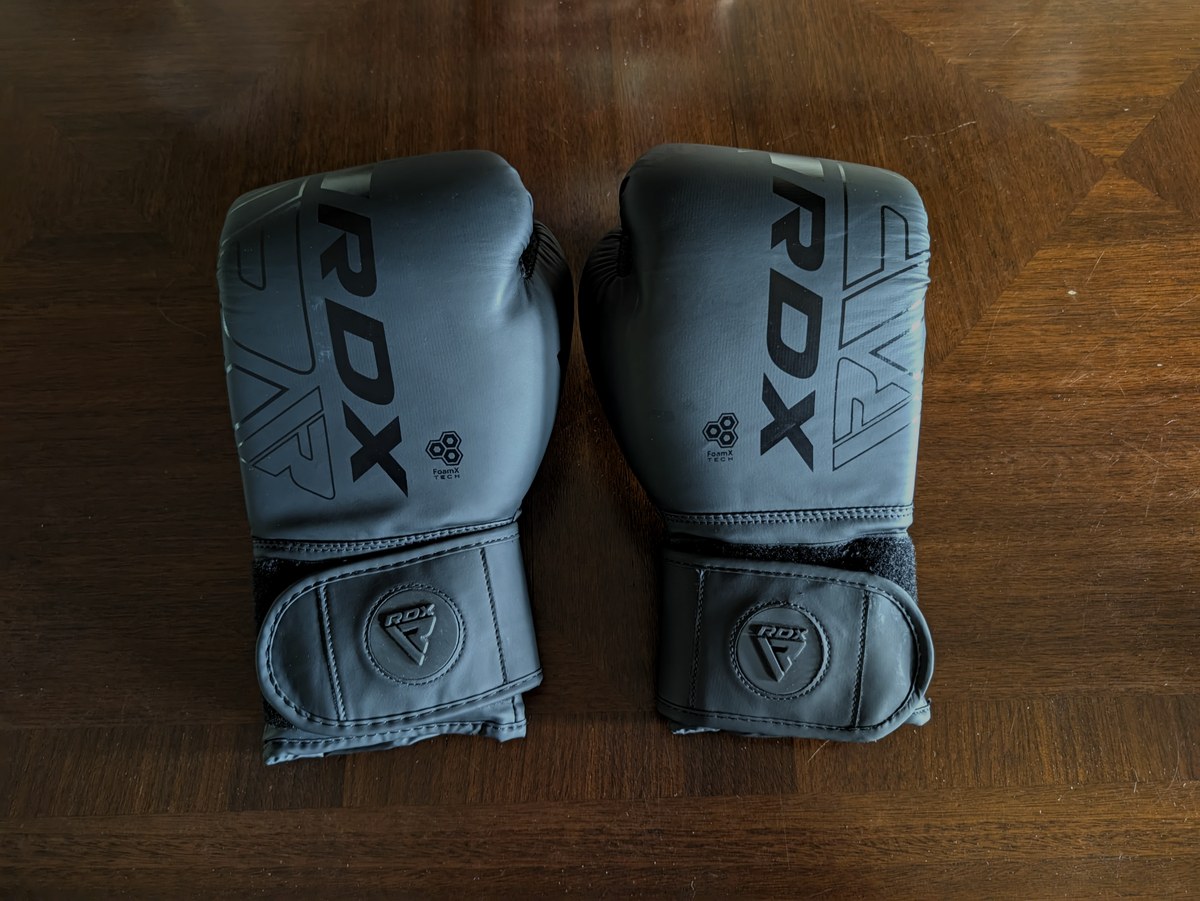
Best Value: RDX 10 oz. Boxing Gloves
I tested these head-to-head against the Everlast Elite 10 oz. Blindfolded, you could barely tell the difference in feel and protection.
The RDX wins because they cost less, hold up just as tough, and offer a cleaner, more secure wrist closure. Starting out? Go RDX.
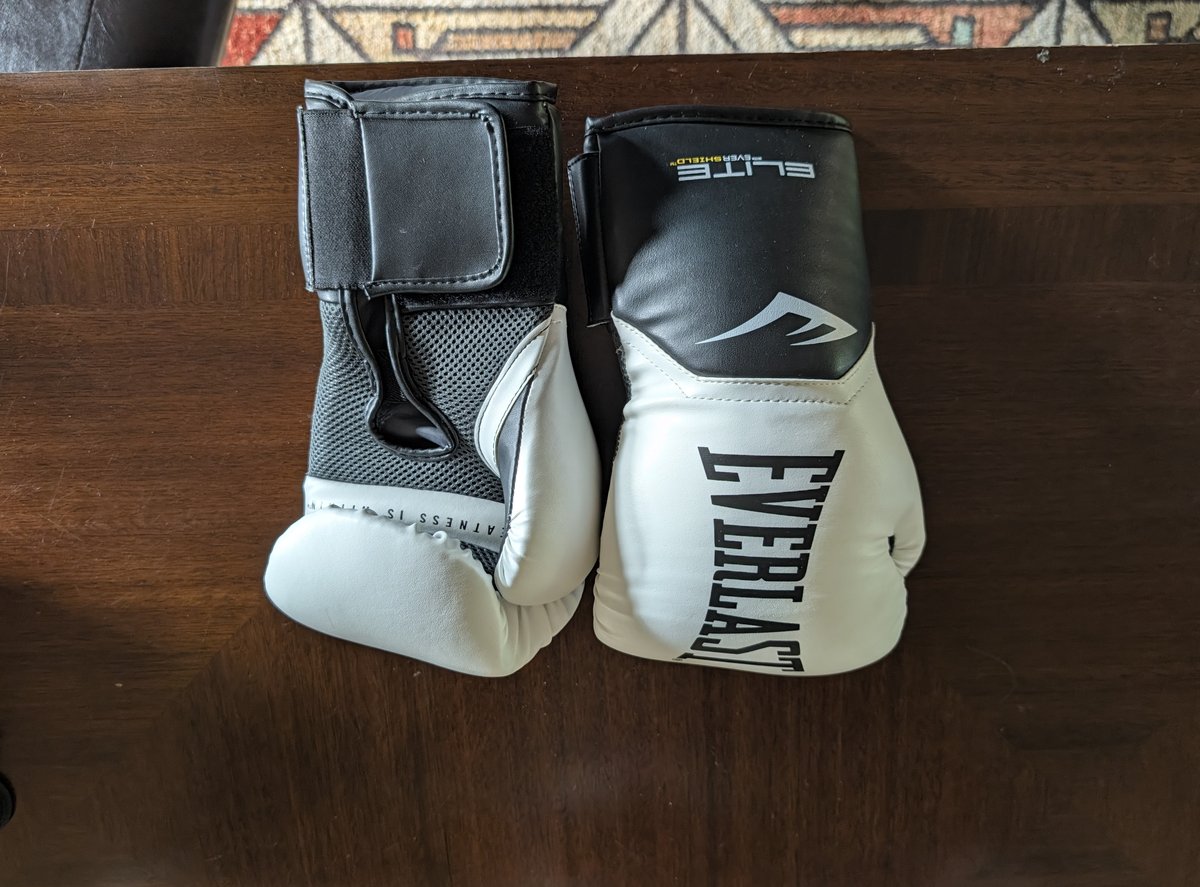
Compared: Everlast Elite 10 oz.
Solid gloves. In a blind test next to the RDX, the feel was nearly identical — the RDX simply wins on price and wrist closure.
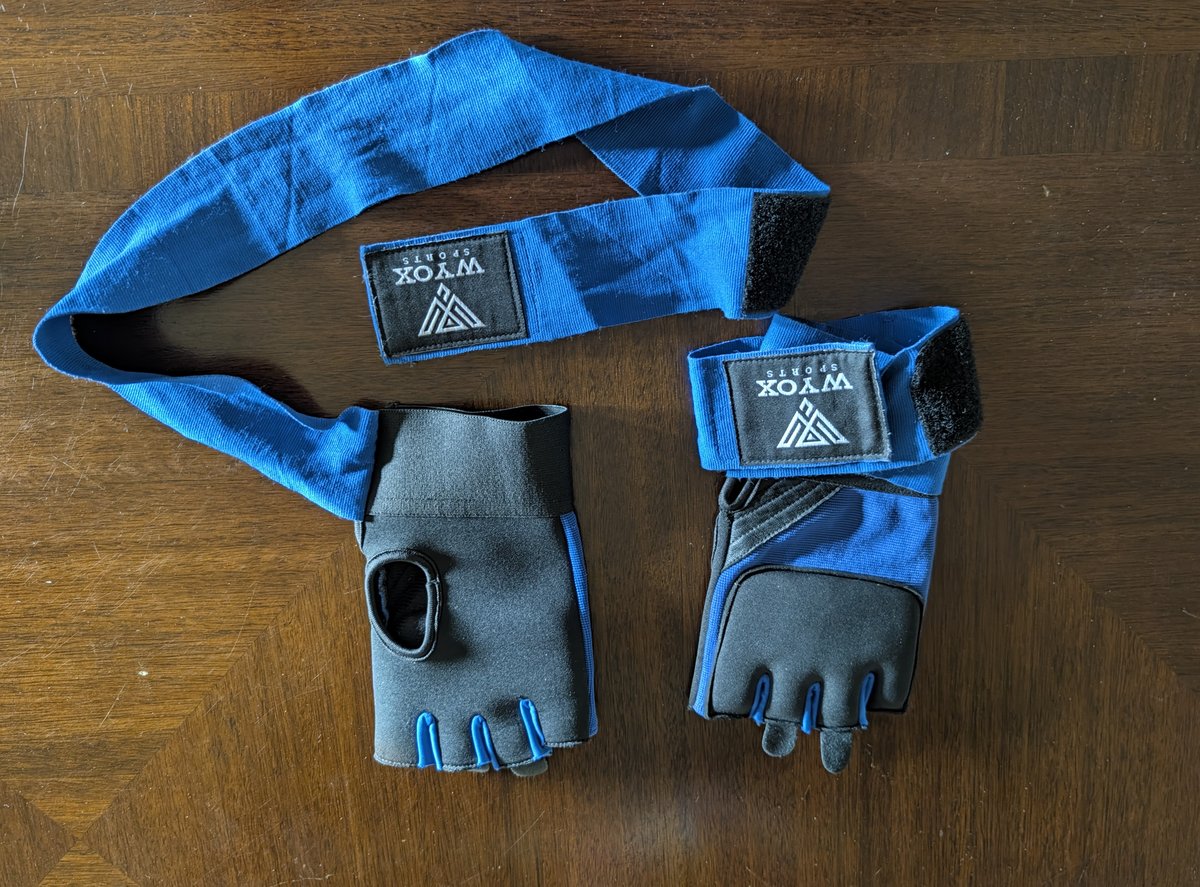
Best Support: WYOX Gel Inner Gloves
High ratings for a reason — but they are an inner wrap, not a bag glove. Do not hit the bag with these alone.
Slip them inside a 10 oz. or larger glove for wrist stability and knuckle cushion while you build striking strength.
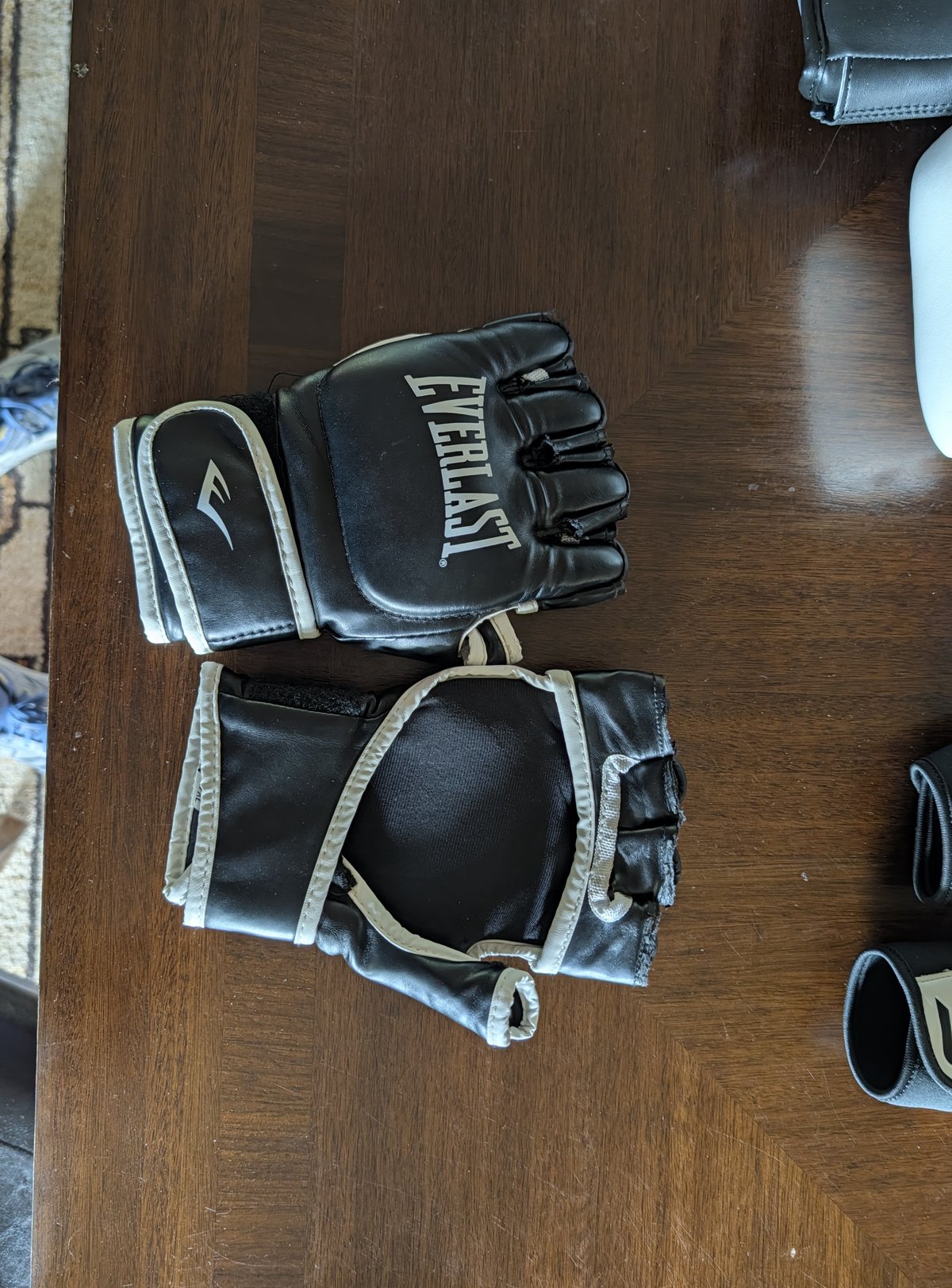
Also Tested: Everlast MMA
Fingerless MMA-style gloves. At nearly $60 they cost more than the Sawans and, for bag work, protected my fingers less. Fine for other uses — not my heavy-bag pick.
Keep an eye out — my full heavy bag training video is coming soon.
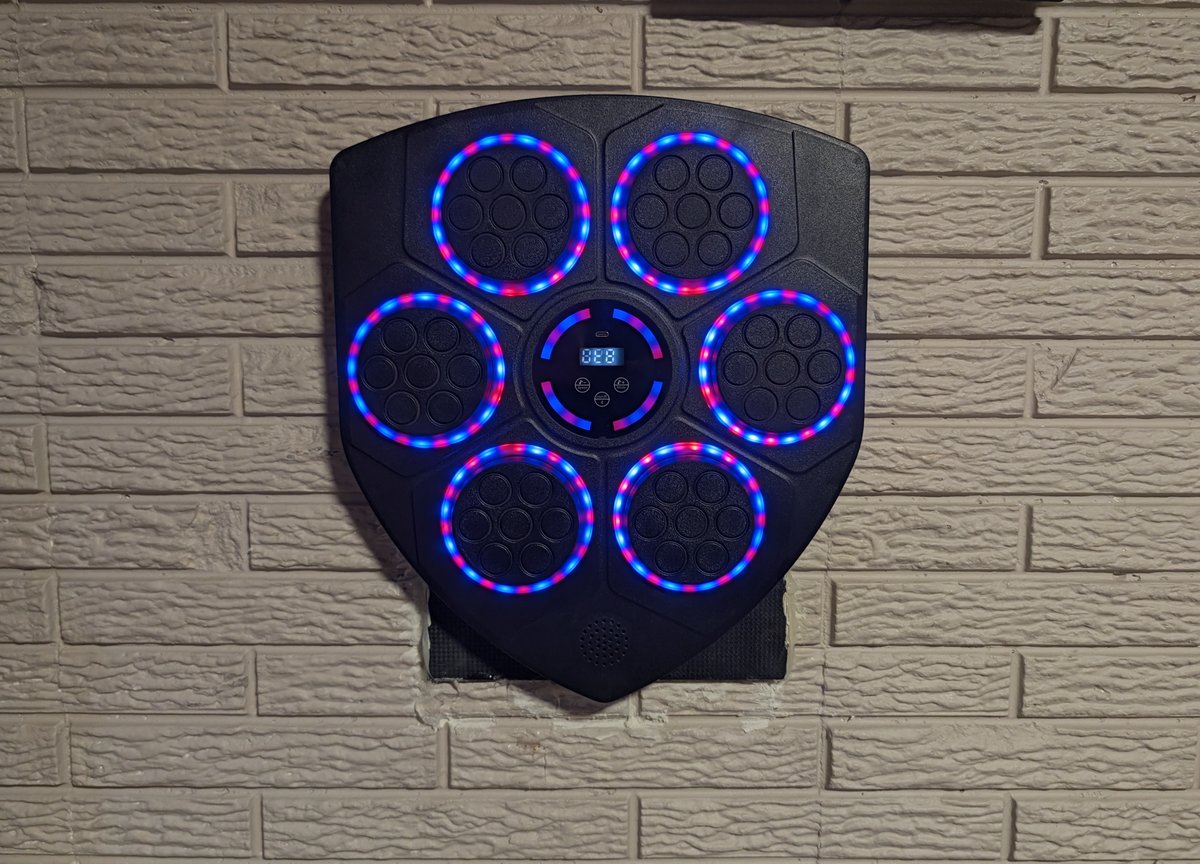
TGLLM Boxing Machine
The best thing about the TGLLM Boxing Machine is that my dad loves it. And so do I.
I cannot say with certainty that our brains are creating new pathways, but my dad and I sure feel like something is happening. The improvement in our hand-eye coordination has been huge.
Even better than that — it makes exercise fun. If you play any sport that needs hand-eye coordination, this machine can help. Pickleball, tennis, boxing — you are training your eyes, hands, reactions, timing, and coordination.
It seems very durable. My sister loves hers too. Both my dad and I look forward to using it. If you want a fun way to exercise while challenging your coordination and reflexes, this thing is a blast.
You have a 30-day refund window. Go for it.
The Forge: Our Heavy-Duty Home Gym Setup
If you want to skip the crowded, germ-filled commercial gyms and avoid wiping down other people’s sweat, building a home gym is the way to go. People catch colds and viruses constantly in public gyms — shared equipment, shared air, shared everything. Keeping our training at home is a huge part of our longevity strategy.
Combined with our whole-food, plant-based diet, my dad — who is 88 and soon to be 89 — hasn’t had a single cold or flu in almost 10 years. And that’s without flu shots.
Having spent decades training in commercial gyms for bodybuilding stages, I know exactly what heavy-duty equipment feels like, and the gear below delivers. While I’m 90% dedicated to my resistance bands and a few dumbbells, I invested heavily in building this home gym. Seeing my dad use it every single day (except Sundays) makes it worth every penny.
Body-Solid Weight Machine
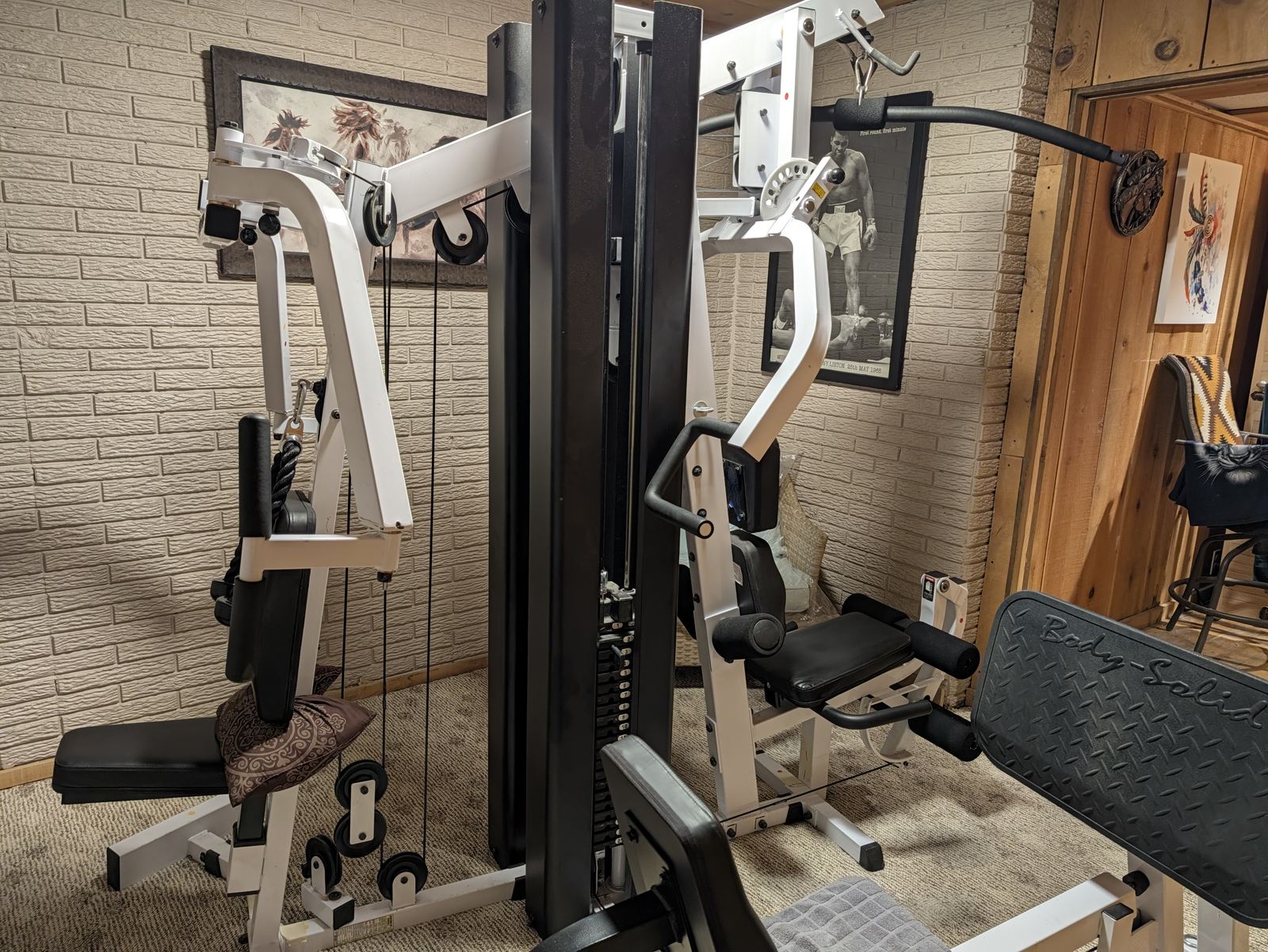
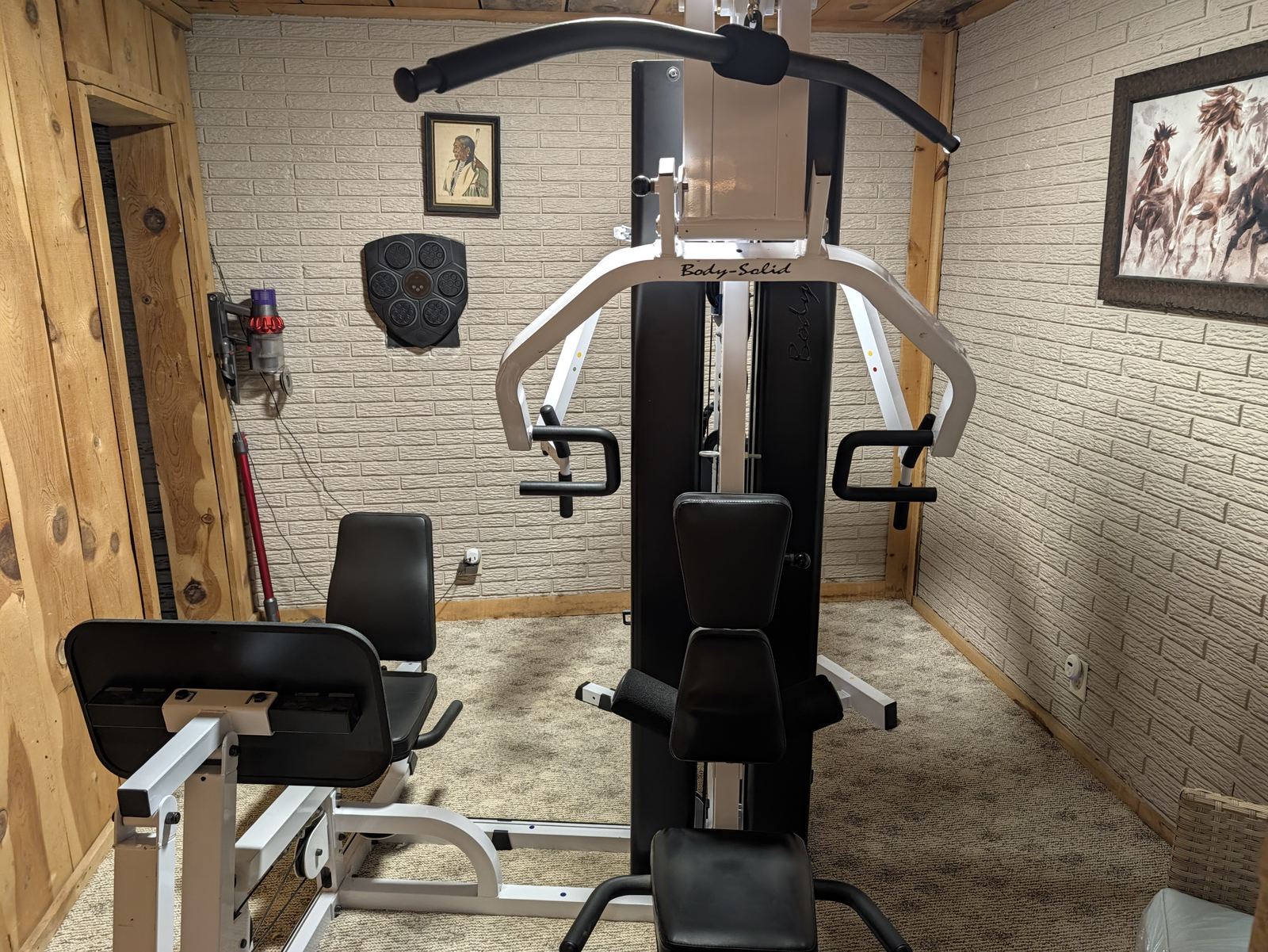
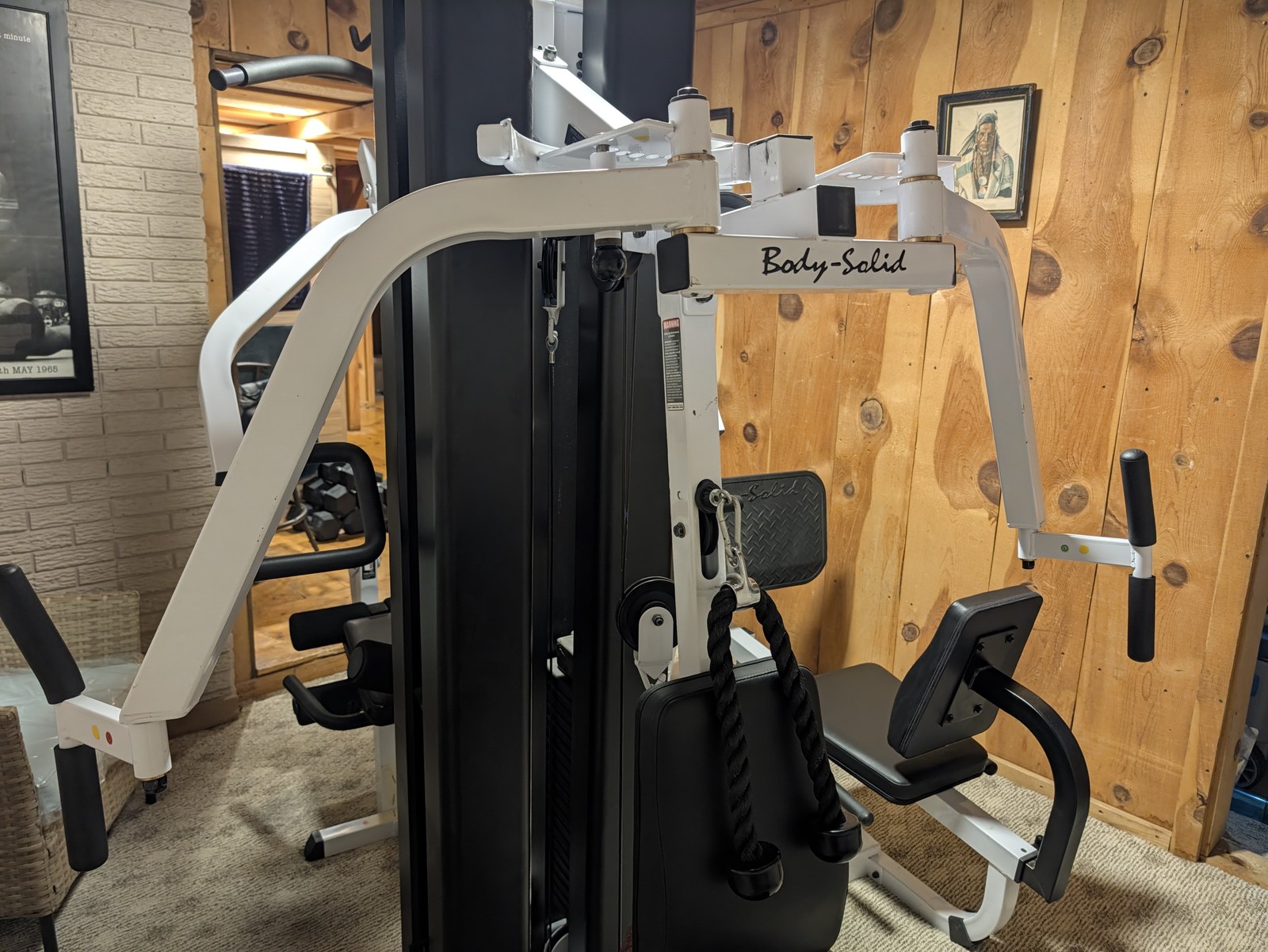
At almost $5,000 new, this is a serious investment — but it’s true commercial-grade quality. My dad uses it constantly, splitting his training time about 50/50 between this machine and his bands. He loves that the weight stack lets him clearly track his strength. And with his consistency (and creatine), he’s actually stronger this year than last.
Years later, there isn’t a single frayed cable; it still runs like new.
I still jump on it occasionally — maxing out the leg press with the full stack — to gauge my own progress. Bands make me stronger, but machines give you that unmistakable numerical reality check.
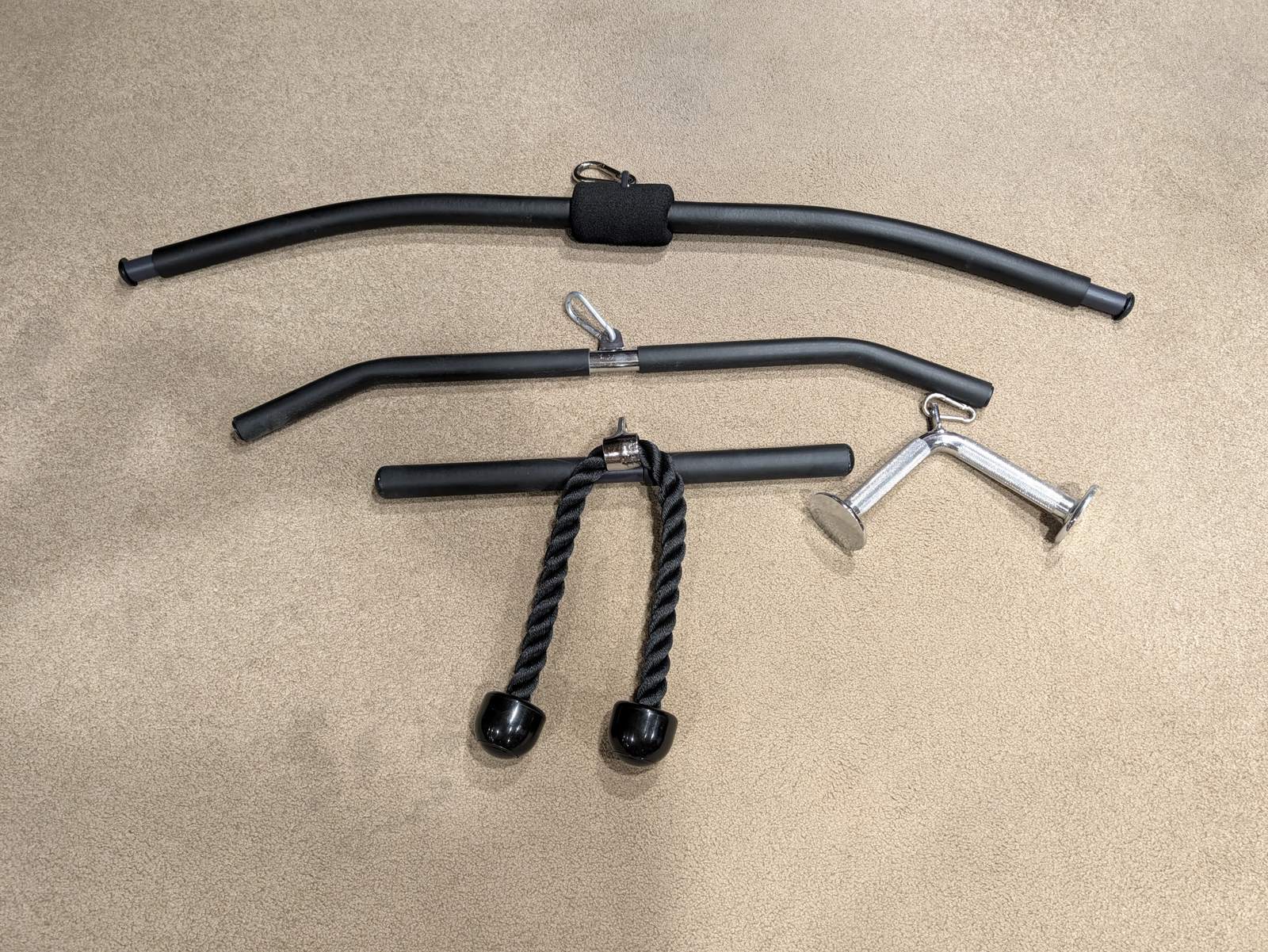
Lat Bar & Accessories
There is a whole assortment of bars and attachments that came with the setup. Honest note: I barely use most of them.
What I do use — a lot — is the 48-inch lat pulldown bar for hanging. If you have watched the first looping video on the homepage, that is me hanging on that bar. I also hop on the machine occasionally for a strength check. That is it. Buy the assortment if you want options; know that one good lat bar can earn its keep.
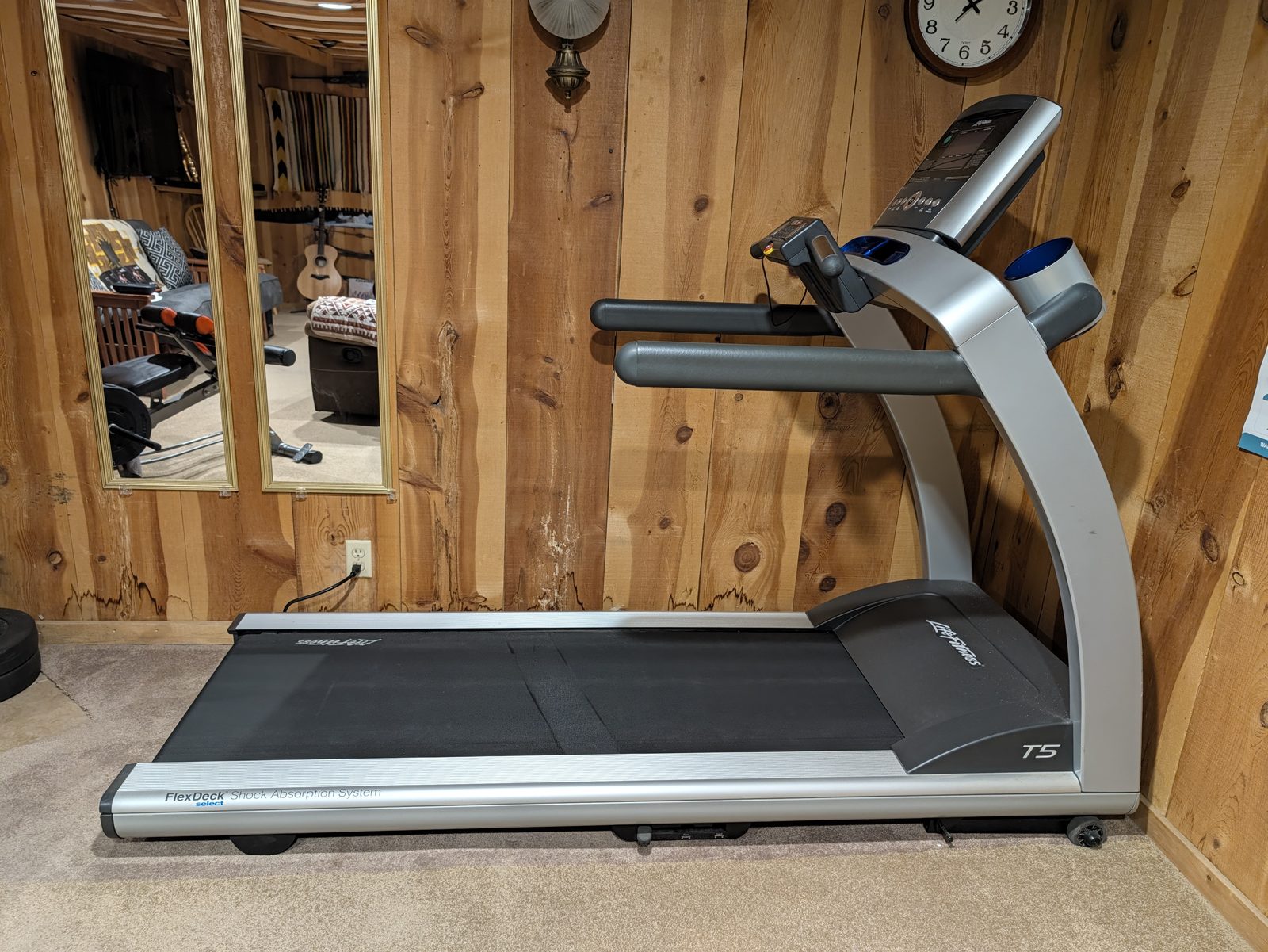
Life Fitness T5 Treadmill
This is commercial-grade cardio — about $8,500 territory when new. Older Life Fitness models can be hard to find, so I link to a comparable version. My dad uses it almost daily. He loves tracking exact mileage and progress, and this machine has been flawless for years. Zero issues.
As for me? It has been a long time since I stepped on it. Treadmills make me feel like a hamster on a wheel. And for the record: this hamster has escaped his cage.
I prefer intense, dynamic movement — heavy bag work, martial arts footwork, and the routines you see in my “Between Sets Aerobics” videos. I want to force blood into every inch of the 60,000 miles of blood vessels in my body, not just spin my legs while the rest of me stays idle.
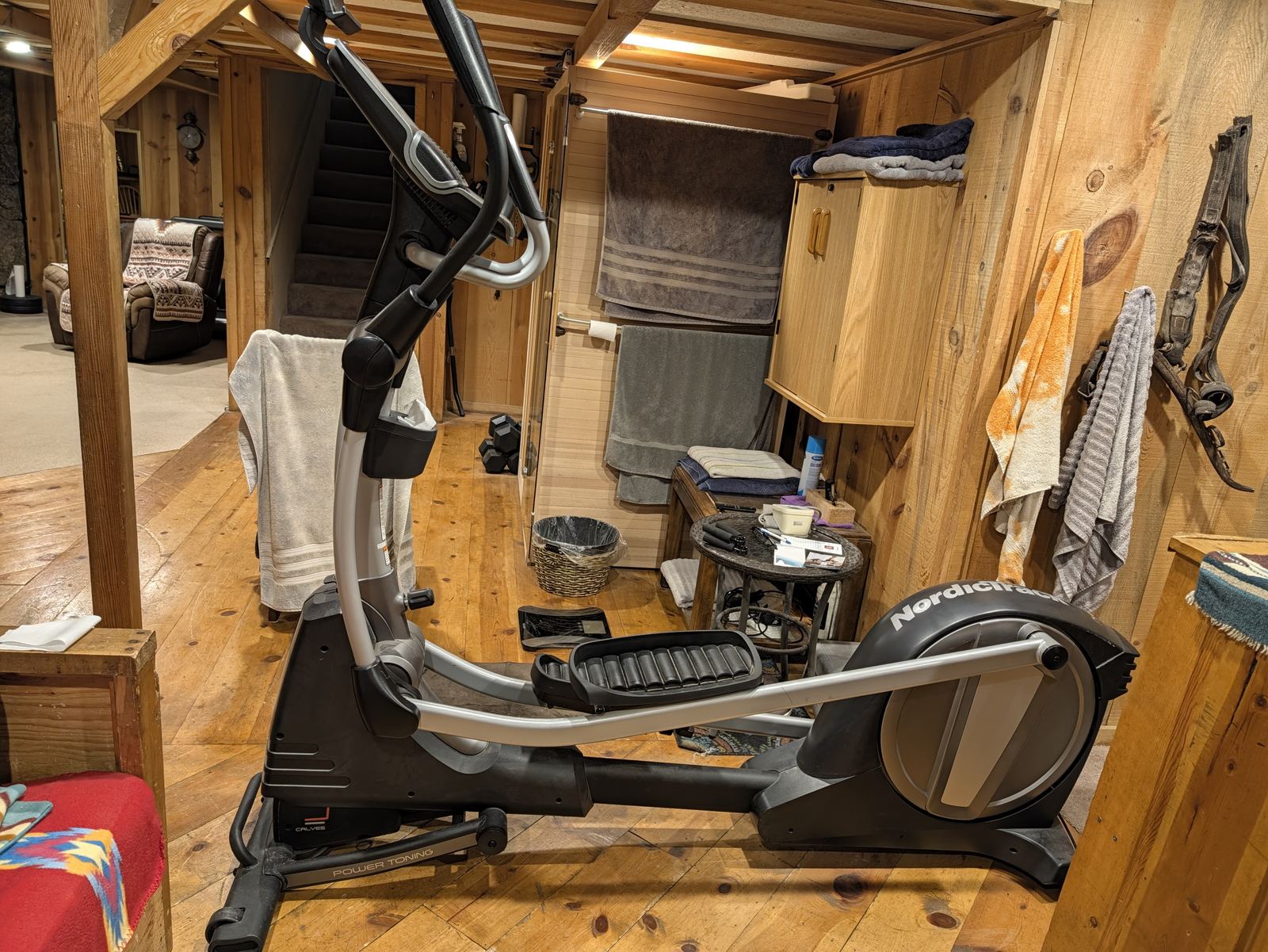
NordicTrack SE 7i Elliptical
My dad pairs this with the treadmill almost every day — treadmill first, elliptical second, or vice versa. Sundays are our only rest day. Same story as the treadmill: commercial quality, years of daily use, zero drama. Older models can be scarce, so the link points to a comparable version.
I am not on it. Same hamster rule. For dad it is steady cardio he will actually show up for. For me it is proof that the best tool is the one you will use — and he uses this one.
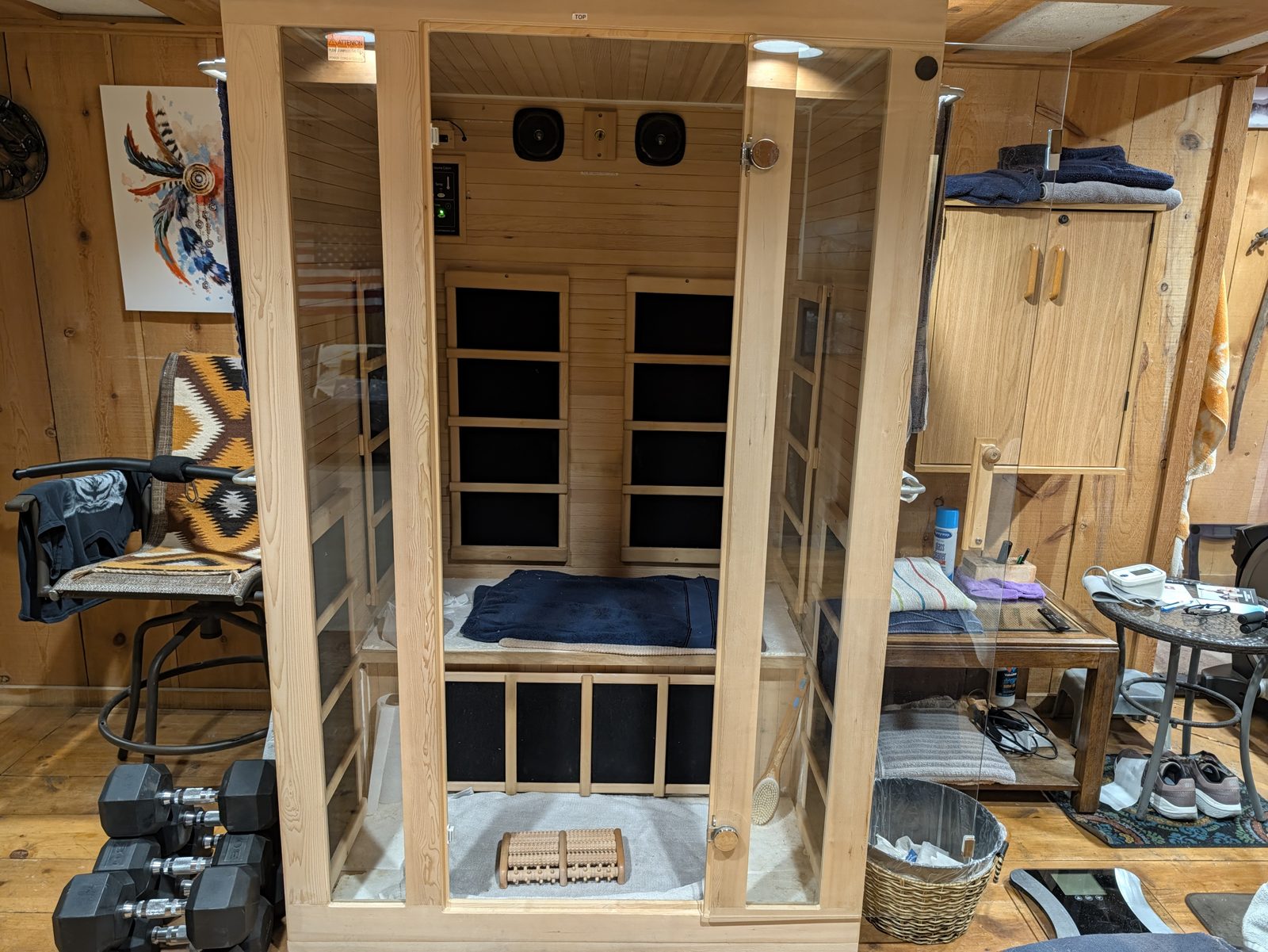
My Dad’s Almost-Daily Infrared Sauna
Infrared heat he uses almost every day — backed by real clinical work.
I am too busy to sit in the sauna the way my dad does — and that is on me. He uses our two-person infrared sauna almost every day. I should. He keeps proving that consistency beats intensity.
Infrared is not a blast-furnace Finnish sauna. Traditional rooms cook the air at roughly 175–212°F. Far-infrared runs cooler — often around 140°F / 60°C — and warms with radiant heat. For an 88-year-old man who already fought his way back from a shattered hip and the ICU, that lower air temperature is the difference between a tool he will use and a room he will avoid.
The famous Finnish longevity numbers — more frequent sauna bathing tied to lower cardiovascular death, all-cause mortality, and even lower dementia and Alzheimer’s incidence in long cohorts — come from traditional Finnish sauna, not far-infrared. That story is real and fascinating. It is also a different heat protocol.
What does support far-infrared is the clinical Waon work out of Japan: about 15 minutes at ~60°C, then rest while you stay warm under a blanket. A meta-analysis of controlled heart-failure studies found that repeated infrared Waon sessions improved left-ventricular ejection fraction, lowered BNP, and improved cardiothoracic ratio. A multicenter randomized trial after only about ten days showed better functional class, longer six-minute walk distance, and a smaller cardiothoracic ratio. Another clinical series measured endothelial function directly — flow-mediated dilation rose from about 3.5% to 5.5%, with better walking capacity. That is not “cures heart disease.” It is gentle, repeated infrared heat supporting vessels and pump function when a clinician says it is safe.
The vessel story has a clear mechanism. Passive heat opens blood vessels and raises skin blood flow. Separate heat-therapy research shows improvements in endothelial function, arterial stiffness, and blood pressure. A 2025 randomized home heat-therapy study in older adults found about eight weeks lowered daytime systolic pressure by roughly 5 mmHg and improved flow-mediated dilation versus sham — that protocol was not an infrared sauna, so I will not pretend it was, but it strengthens the case for repeated passive heat. If someone is on blood-pressure medicine, that same drop can make them lightheaded when they stand up. Sit first. Rise slow. Water nearby. Falls kill independence.
Pain and recovery are stronger than the old page admitted. Human studies of infrared heat for osteoarthritis, fibromyalgia, and other musculoskeletal pain show real reductions in how much it hurts. A randomized crossover study in athletes found a post-workout infrared sauna left them with less muscle soreness, better perceived recovery, and less loss of explosive performance the next day than sitting out recovery. That is not lukewarm. Use it for circulation, calm, and recovery you can feel — not as a cholesterol cure, and not as permission to keep eating FrankenFoods.
The Forge is tools we actually use. Dad’s almost-daily infrared sessions sit next to the bag, the bands, and the yard work. When I finally make the time, same rules I give him: short sessions, hydrate, leave if dizzy or nauseated, and talk to a qualified clinician first if heart issues, blood-pressure meds, or recent cardiac events are in the picture. Unstable angina, recent heart attack, severe aortic stenosis, or decompensated heart failure are not DIY heat projects.
Purpose is medicine. So is showing up. The sauna is one more place my father still shows up.