
Educate Yourself Like Your Life Depends On It, Because It Does!
These are the teachers, books, and fights that keep me honest. Greger. Barnard. Fuhrman. Real science — not meat and dairy lobbies rewriting the federal Dietary Guidelines that decide what ends up on school lunch trays.
Affiliate Disclosure: As an Amazon Associate, I earn from qualifying purchases. I only recommend products I personally use, trust or have tested. It costs you nothing extra, and it helps keep this site free, alive and growing!
Dr. Michael Greger

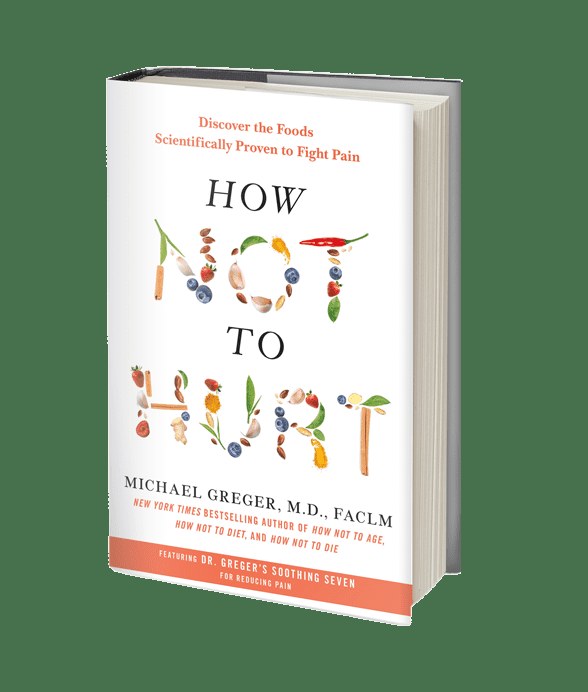
If there is one must-have book, it’s Dr. Michael Greger’s How Not to Age. I also own How Not to Die and How Not to Diet. These books changed my life — my workouts, my supplements, my understanding of what the human body is capable of. All the proceeds go to charity, and his website Nutritionfacts.org is a non-profit, evidence-based powerhouse that has been indispensable to both my health and my father’s.
How Not to Hurt
Greger’s next fight — chronic pain, without the corporate marketing budget.
One in five American adults lives in chronic pain — more than fifty million people. Globally it may be closer to thirty percent. The human cost is worse than the trillion-dollar price tag: in surveys of chronic pain, about one in four people reported thinking about ending their own life in the previous two weeks. Greger quotes Albert Schweitzer: pain is a more terrible lord of mankind than even death itself.
Here is the uncomfortable truth the trailer drives home. For most pain drugs, failure is the norm. Systematic reviews show most people never get even a solid one-point drop on a 0–10 scale over placebo. Opioids and over-the-counter killers like ibuprofen carry real body counts. The Lancet’s editorial board has warned that over-reliance on drugs and devices is fueled by industry marketing and short, profitable visits. Desperate medicine goes as far as electroshock and electrodes in the skull — while safe, simple strategies stay invisible because plants are not patentable.
Two examples from the trailer that stopped me cold. Ginger: in a double-blind trial, about an eighth of a teaspoon of ground ginger matched the abortive migraine drug sumatriptan — 44% pain-free within two hours in both groups, with fewer side effects on ginger, for less than a penny. Cinnamon: a quarter-teaspoon dose in another randomized, placebo-controlled trial cut migraine frequency, severity, and duration; pain scores fell from about 8 out of 10 down to 3, versus 8 to 7 on placebo. Greger’s line: even if a spice study were a fluke, the worst case is tastier oatmeal.
How Not to Hurt (Flatiron Books, December 2026) is his deep dive into every noninvasive, non-drug intervention that cleared randomized controlled trials — back pain, joints, migraines, IBS, fibromyalgia, and more — plus the Soothing Seven: mostly spices that showed help across three or more different conditions. Every citation will be searchable on NutritionFacts.org. Every penny of his book proceeds still goes to charity. Watch the trailer. Then decide if your pantry is part of your medicine cabinet.
Physicians Committee for Responsible Medicine
Neal Barnard, M.D. — and why he is suing the federal government over the Dietary Guidelines.
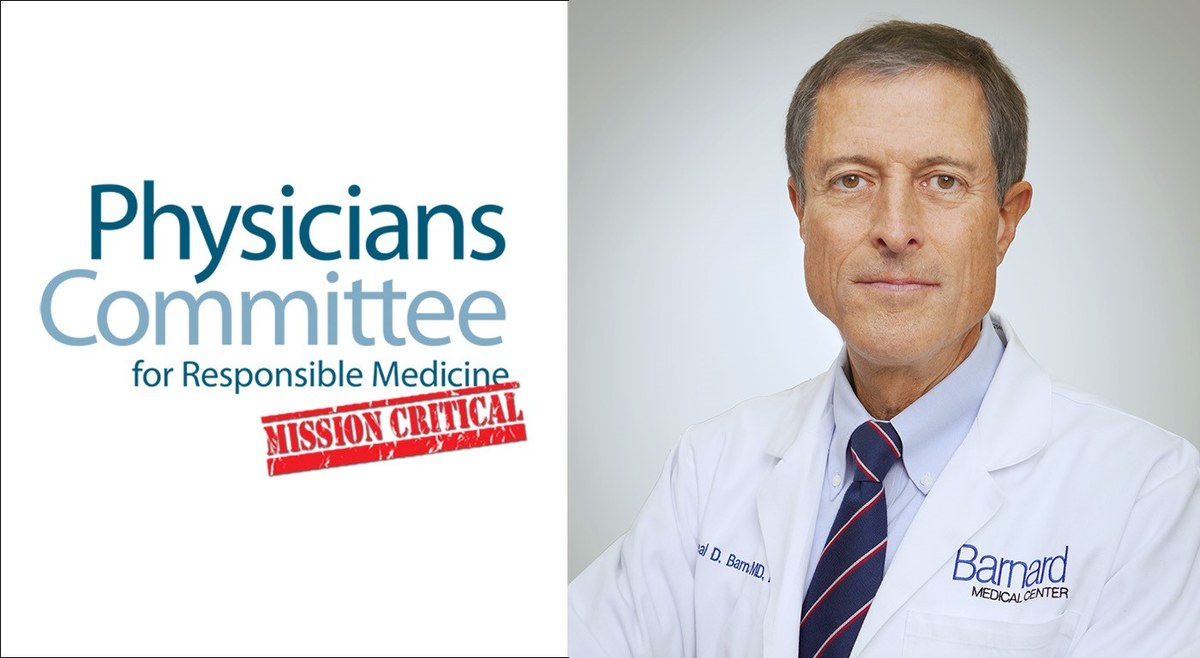
The Physicians Committee for Responsible Medicine is one of the finest websites on the planet for free, navigable, citation-heavy plant-based medicine. Real research. Leading journals. No fluff. Founded in 1985, PCRM runs clinical research, pushes preventive medicine, and keeps scoring the ethics of how food policy gets written.
On August 19, 2026, PCRM sued HHS and USDA in federal court in Washington, D.C., asking the court to withdraw the 2025–2030 Dietary Guidelines for Americans. Those Guidelines are the rulebook for federal food programs — school lunches, WIC, SNAP — so they help decide what millions of kids are actually served. Barnard’s charge is blunt: the government let meat and dairy interests ghostwrite the advice — money in industry’s pocket, cholesterol in Americans’ arteries.
Here is the core of the case, in plain English. Federal law (the Federal Advisory Committee Act) requires a transparent Dietary Guidelines Advisory Committee. That committee spent nearly two years in open process and, in December 2024, issued a scientific report urging more plant-based meals, plant protein over animal protein, and water instead of milk as the default drink. Instead of building on that report, the lawsuit says HHS and USDA ran a procedural bait-and-switch: a hastily assembled “secret panel” of industry-tied consultants — PCRM says eight of nine members had conflicts tied to beef, dairy, eggs, pork, or low-carb interests — produced a rushed rewrite with no real public oversight. The panel’s materials and names only surfaced the day the Guidelines dropped, January 7, 2026. The final Guidelines leaned hard into fats, meat, and dairy.
That is not a food fight over preference. It is a fight over whether industry insiders get to write the rulebook for what children are fed in school. PCRM has sued over Guidelines process before; a court once agreed the government violated transparency laws. This new suit asks the court to pull the current Guidelines and bar agencies from using them while a lawful process is rebuilt. The case is ongoing — I am not predicting a verdict. I am saying the conflict of interest is the story, and Barnard is one of the few with the spine to put it in a courtroom. Watch him explain it himself.
Joel Fuhrman, M.D.
The Nutritarian line — how I actually build the plate.
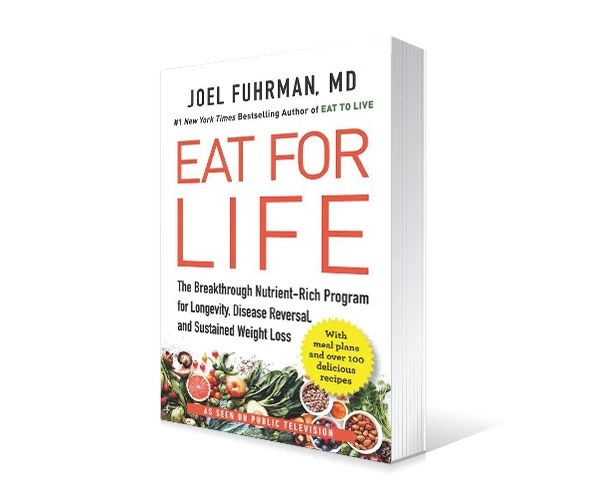
I base my diet very much along the lines of Dr. Joel Fuhrman’s Nutritarian approach — nutrient density first: greens, beans, onions, mushrooms, berries, seeds, and the rest of the plant arsenal. His books are packed with usable information. Eat for Life is the cleanest single volume for longevity, disease-reversal framing, meal plans, and recipes without turning food into a cult.
One honest caveat: Fuhrman pushes a lot of supplements. Most of what he suggests are not bad products. I just find comparable options on Amazon for roughly half the price, so I buy the books hard and the branded bottles selectively. You cannot go wrong with his books. Greger keeps me honest on the citations; Fuhrman keeps the plate dense. Together they are how Dad and I stay out of the recliner.
Forks Over Knives
Almost 14 years ago, I had basically given up hope. I was sitting in my recliner watching Netflix and stumbled onto the documentary Forks Over Knives. That film is the reason I’m still here. It flipped my entire life upside down — in the best way possible. I’ll be recommending others, but this one is as relevant today as it was the day it saved me. You can buy it on Amazon, or you might already have a streaming service that lets you watch it for free. I own it, and I still go back to it for inspiration.
Other Films That Shaped Me
Two more powerful documentaries worth your time: The Game Changers — especially for the athletes. And What the Health! — a hard look at the food system and the consequences of our choices.
Educate yourself like your life depends on it because it does!
More books, websites, and research coming as I keep learning. I did not build this site to trap you here or get rich off it. I make a little on book links when you buy through them; I have no stake in PCRM, NutritionFacts, or the other sites I point you to. If another page serves you or your family better — go. That is a win. That is the whole purpose.